

The question “Can ombre brows fix an old brow tattoo, or is removal needed first?” keeps popping up in my Melbourne studio, especially from clients who’ve had the whole gamut of experiences with eyebrow microblading, semi-permanent make-up, tattoo removal nightmares, or pigment that just stopped matching their skin tone altogether. I’m Olha Po, a cosmetic tattoo specialist and founder of Face Figurati. After years of trying to fix hundreds of pre-existing tattoos, I can tell you that some brows bounce back beautifully with judicious ombre shading… while others need laser or saline removal to clear out all those dense ink particles.
Whether we jump straight into correcting the existing tattoo or lighten it first depends on several factors: saturation level, brow shape, the brand of the original permanent makeup, your skin undertone, and how your skin took to the original product.
How I Choose Refreshing vs Lightening
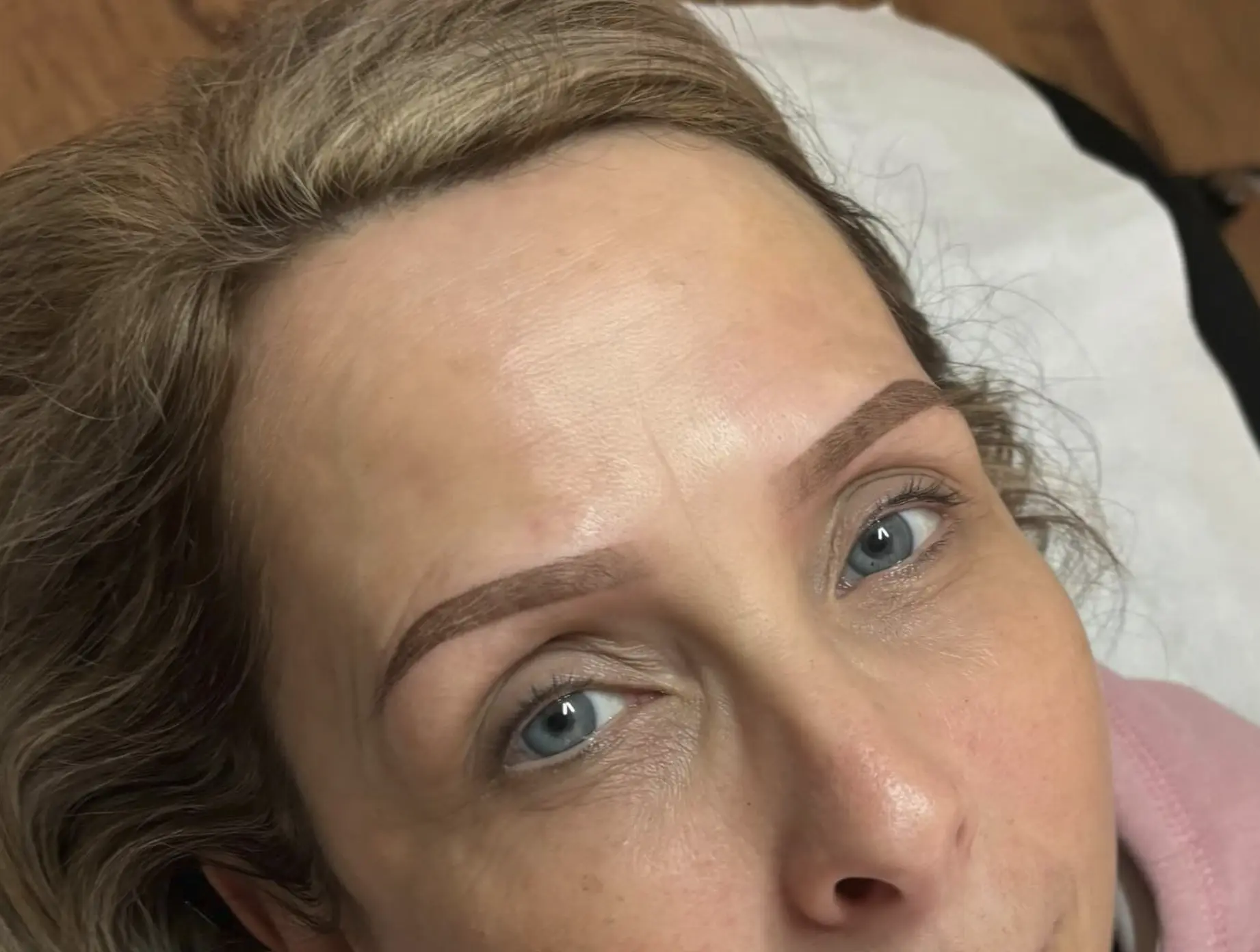
Every brow’s got a story to tell – the saturation level, changes in colour, microbladed scars from attempts to fix it, and the fading process all play a part in what we need to do next. The goal is to achieve a fresh look without overdoing it with more pigment or trying to apply more to a base that just won’t hold it.
A quick assessment usually determines whether we can add a new colour or need to start the removal process first. When it’s done right, an ombre brow tattooing blends in beautifully with your own hair growth and facial structure.
When A Direct Refresh Is A Good Option
This works well when the underlying material is soft enough to embed pigment securely.
Some good signs that it will work are:
- The old work has faded down to a nice, gentle tone
- The undertones in your skin aren’t too extreme, and you can work with them using colour theory
- The residual ink particles just sit evenly in your skin
- The brow shape still suits your facial structure just fine
- There aren’t any significant micro-bladed scars that are going to cause problems with retention
Organic formula-based pigments tend to fade more gradually, so they are often easier to work over without needing removal.
When Lightning Becomes The Safest Plan
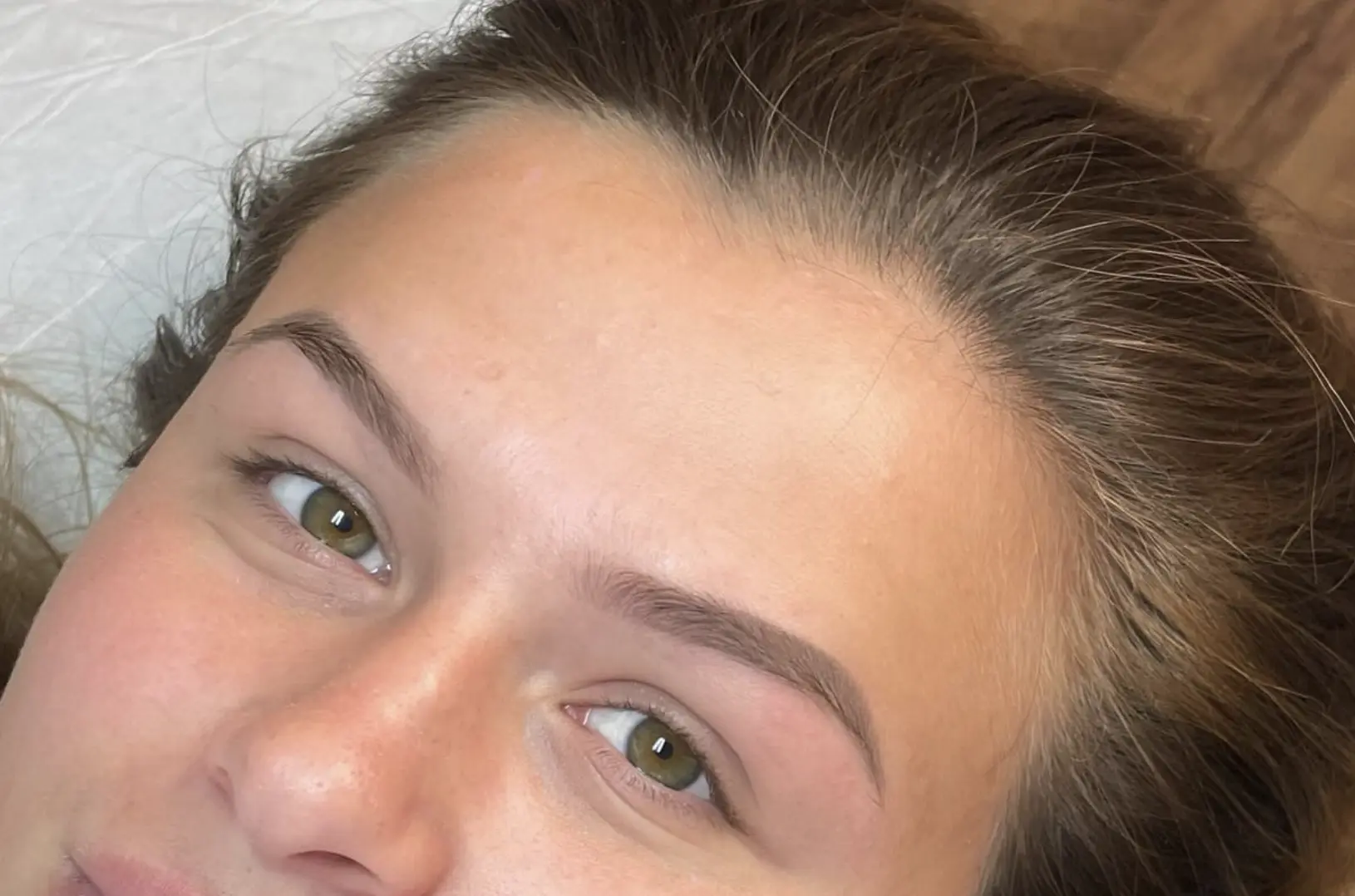
If the base is heavy, cool, or not structurally sound, adding more colour won’t improve it.
Removal is needed when:
- The brow looks way too dark or over-saturated
- Blue, grey or green undertones are the dominant players
- There’s titanium dioxide present, and it’s reflecting too much light
- The shape is interfering with your bone structure or hair follicles
- The ink has migrated, or the edges are all blurred and unpredictable
Depending on the type of pigment used, synthetic ink can be a real stubborn bugger to get rid of – meaning more sessions needed to get rid of it.
A Helpful Breakdown Of Both Pathways
| Assessment Factor | Refresh Possible | Lightening Needed |
|---|---|---|
| Saturation | Light–Medium | Medium–Heavy |
| Undertone | Slight warm/cool shifts | Blue-green, titanium dioxide-heavy |
| Shape | Minor refinement | Major correction required |
| Skin Condition | Smooth | Scarring or uneven texture |
| Sessions Expected | 1–2 | 2–6 lightning appointments |
| Cost Range (Melbourne) | $650–$900 | $120–$200 per removal session + future tattoo work |
Australian cosmetic tattoo statistics show an average of 3–5 lightening sessions for older permanent makeup, depending on the pigment composition and depth.
What I Examine During A Consultation
When I assess your brow, I take a thorough, objective look from all angles and give the original artist’s work a close inspection, including their stroke analysis, pigment placement, and the cosmetic devices they used. That helps me understand how your skin responded during the healing process.
Lighting’s also a big factor: Melbourne’s weather can make colours shift in unexpected ways across different skin tones.
Shape Comes First
If your brow’s original shape is significantly off or clashes with your natural features, no amount of cosmetic tattoo correction will fix it. In that case, lighting is essential to create space for a new brow design that looks right for you.
Undertones Reveal The Real Story
Cool brows need some warmth added; warm brows need cooling. Using the colour wheel and considering complementary colours, I can determine which neutralisers and corrective pigments will provide the best long-term stability.
Skin Clues Guide: The Technique
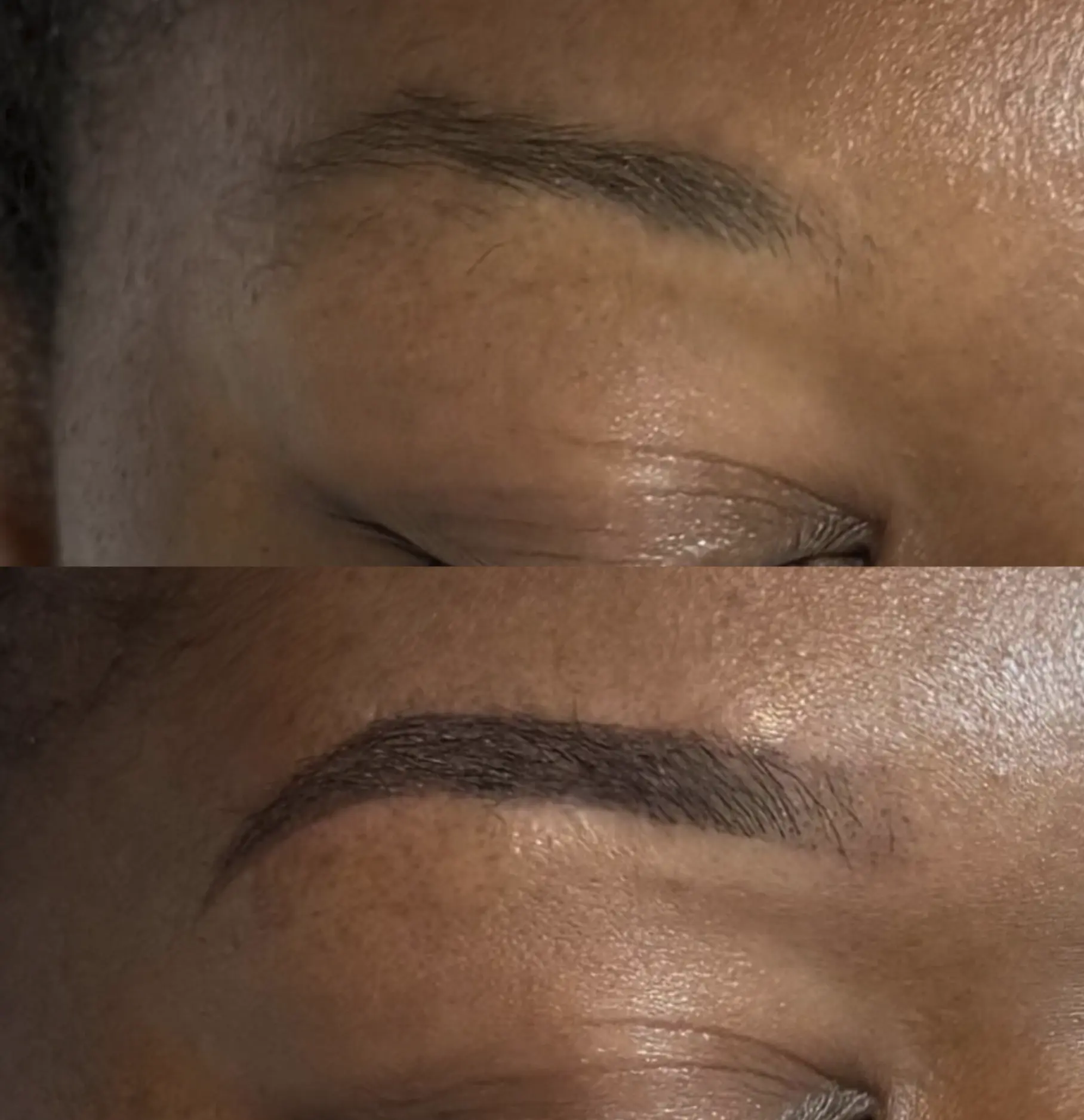
For people with sensitive skin, a history of trauma from manual tools, uneven pigment retention, or past skin problems, I need to take a gentler approach. That way, we can get consistent healing and safer results.
How Soft Gradient Techniques Improve Older Work
When the original base is sound, refined shading can really make a difference – giving the brows a new lease on life without overpowering them.
Balancing The Old Colour
Corrective pigment helps by adjusting things like:
- Blue or grey brows need a bit of warmth added
- Reddish brows need a cool-down
- Over-bright brows from too much titanium dioxide
This step’s crucial to ensuring we don’t end up with a muddy mess when the old colour fades.
Blending Past Edges
Gradients naturally diffuse the sharp borders of older work, creating a smoother transition and making those unsightly old tattoo lines less noticeable.
Restoring Harmony To Your Facial Structure
With carefully placed colour, small tweaks, and enhancements, you can make a big difference without altering your natural hair growth or overpowering your features.
Why Some Brows Need Lightening First
Lightening‘s not a setback – it’s a smart move. It protects your skin, allows me to get a clear read on your colour options, and prevents unnecessary pigment buildup.
Saturation Blocks New Colour
When there’s too much pigment in the skin, new colours just won’t settle right. And if we try to cover up a dense base, we’ll just end up with muddied, dark results.
Improper Placement Limits Your Options
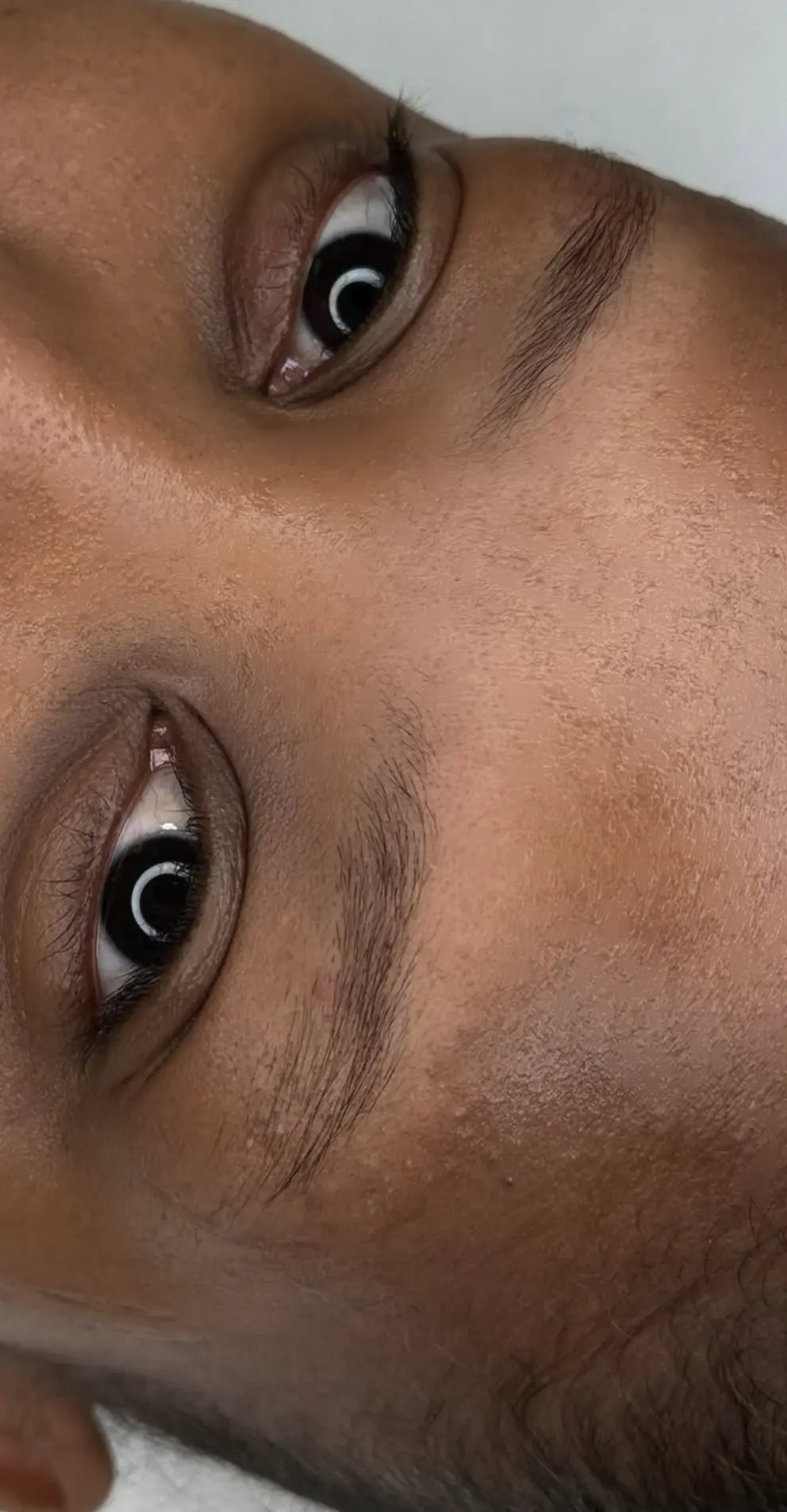
If the original artist put pigment too low, too far apart, or too close together, removal is usually the only way to get a proper shape correction.
Migrated Pigment Doesn’t Behave Normally
When old ink starts to spread outside its intended area, it’s a real challenge. But lightning helps me start from a fresh canvas.
What The Correction Journey Looks Like
Here’s what you can expect from a standard brow correction journey in my studio:
- Consultation
When you come in for a consultation, we’ll map out your brows, take a close look at your undertones, check for any microbladed scar tissue, and determine whether we can correct the issue or if removal is better for you. - Lightningremoval is Phase (If Required)
If your tattoo needs to be lightened, we’ll choose the right method – laser removal, saline removal, or non-laser eyebrow tattoo removal – depending on how deep the pigment is and what type of ink was used. Titanium dioxide or stubborn synthetic ink may be more difficult to remove, requiring a few more sessions. - Healing Before The Next Step
You’re bound to notice some dryness, light flakes, and a gradual brightening up of the old work during this time. This is completely normal and expected. - Shading Session
Once your skin has fully recovered from the lightening process, we’ll begin applying your new brow shape using a pigment perfectly tailored to your skin undertone. - Touch-Up Session
This is the final stage, where we fine-tune the depth, tone, and symmetry of your new brow shape after the initial healing process.
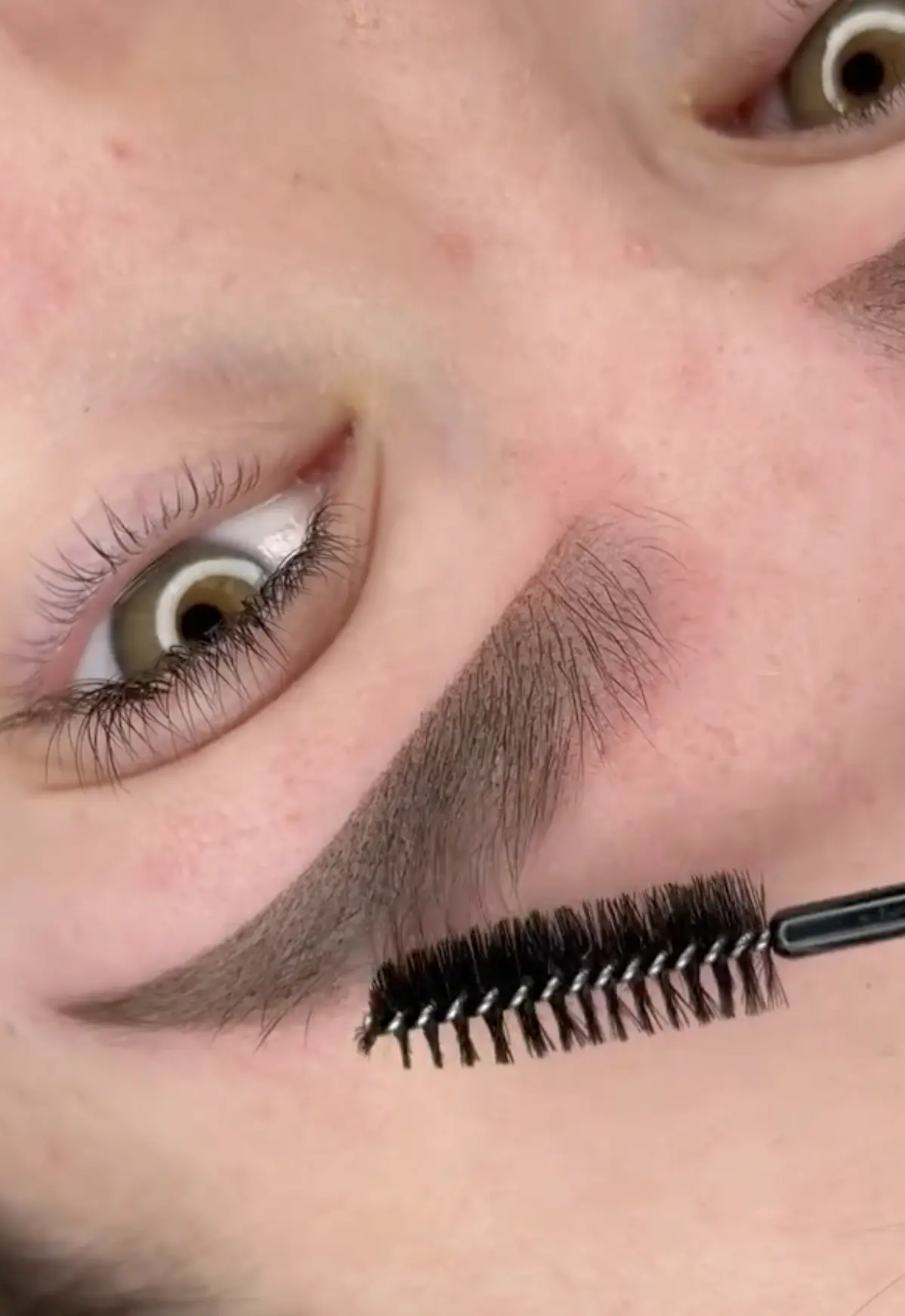
How To Prepare For Best Results
- Pause retinol and acids around the brow area
- Stay out of the sun to avoid fresh colour influence
- Avoid tinting or waxing beforehand
- Drink water to support healthy healing
- Send makeup-free photos so I can assess pigment retention and placement
Aftercare For A Smooth, Comfortable Heal
- Keep brows dry initially
- Avoid sweating, heat and chlorine for several days
- No picking during the flaking stage
- Apply the ointment I provide — nothing else
- Avoid makeup over the brows while healing
- Use sunscreen daily once healed to protect pigment longevity
If You’re Feeling Unsure
Choosing whether to refresh or lighten first shouldn’t feel overwhelming. Your skin tone and undertone are determined by pigments, which indicate what will hold up over time. If you want guidance tailored to your brows, come in for a consultation at Cosmetic Tattoo Melbourne — I’ll walk you through the safest, most flattering plan, with no pressure or guesswork.
FAQ
Why do some older eyebrow tattoos turn blue or grey?
Cool undertones or synthetic pigments can oxidise over time, especially with sun exposure or shallow placement.
Can lightning affect sessions and damage the skin or hair growth?
If performed properly, both laser and saline methods should be safe for the hair follicles and surrounding skin. Understanding the difference between Hair Shedding Vs Hair Thinning also helps clarify why temporary hair disturbance after removal is not the same as permanent loss.
How do you choose the right corrective colour for my brows?
I use a combination of colour theory, your skin undertone, and the remaining pigment to select a shade that neutralises the old work, then add your preferred tone on top.
Will I need ongoing maintenance after the final result?
Most people will need to return for a top-up every 12-24 months, depending on their lifestyle, the pigment used, and how well their skin retains the remaining pigment, to select a shade that neutralises the old work colour.
Can people with scars from past microblading be corrected?
Yes, but we have to be a bit gentler in how we approach it. Scar tissue retains pigment differently, so we need to take a more tailored approach to make sure we don’t overdo it.
The post Can Ombre Brows Fix An Old Brow Tattoo, Or Is Removal Needed First? appeared first on blu-indigo.